
Craft
The case for cold-macerated saffron
Heat strips saffron of its lighter florals before it gets the chance to bond with the spirit. Cold, slow, patient — and a forty-eight-hour rest you can’t shortcut.
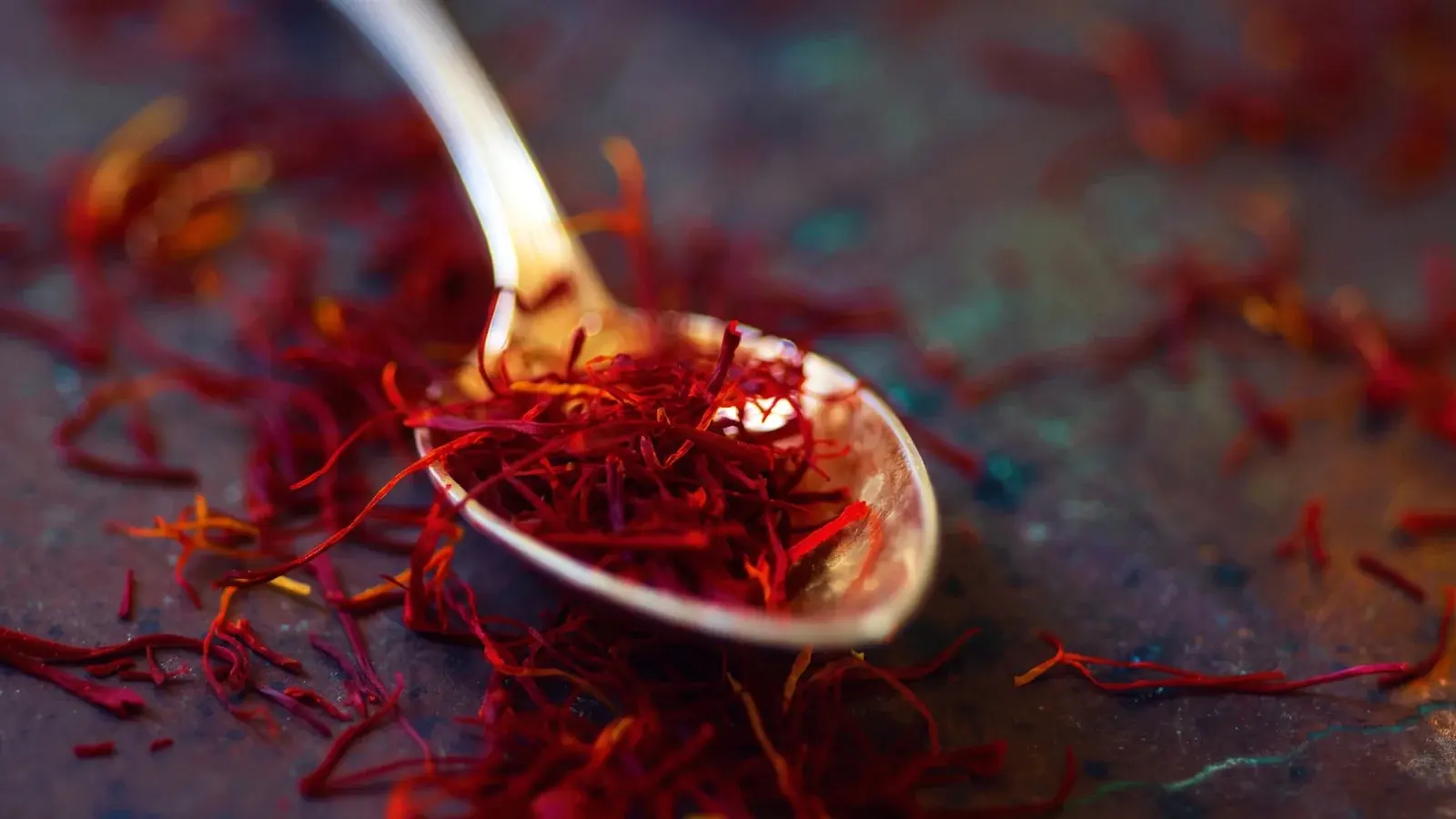
Heat is a shortcut. It pulls colour out of saffron threads in minutes and aroma in twenty. By the half-hour mark the spirit has already lost the lighter florals — the violet edge, the dry-grass note — that make saffron worth distilling in the first place. What you keep is the iron-on-leather depth, which is fine, but it’s not the whole of the ingredient.
Cold maceration is slower in every direction. We hold the spirit at 4°C for forty-eight hours with the threads suspended in a fine mesh. The colour pulls late — you don’t see the deep amber until the second day. The aroma layers in the order it should: florals first, then honey, then leather, then the dry mineral note that closes the long sip.
The forty-eight-hour window matters. At twenty-four hours the gin tastes thin and bright; at seventy-two it’s gone past balanced into perfumed. There’s no flexibility for production schedules. The still has to be ready when the maceration is done, not when the timetable would prefer.
It also rules out a lot of the operational tricks distillers use to push volume — pre-extraction with hot ethanol, freeze-distilled concentrates, third-party essences. The Saffron Line was never going to compete on price. Cold maceration is one of the reasons.
More from the journal — browse all articles.